One Week, Many Doors: Try, Tinker, Transform
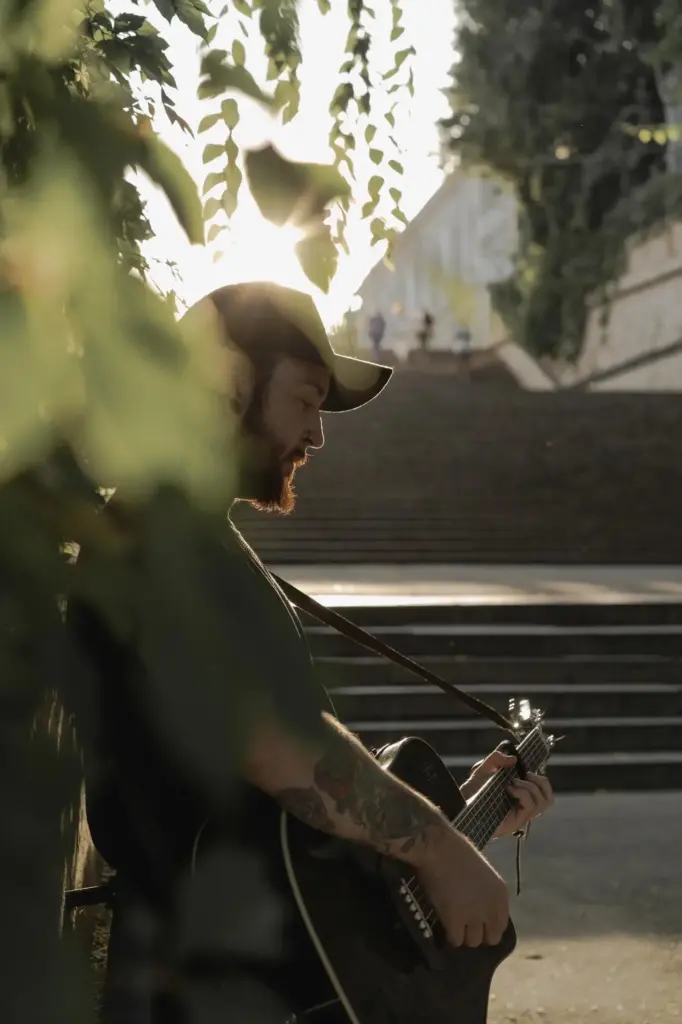
Welcome to a playful, practical approach to exploration we call Skill-Sampling Sprints: focused, one‑week experiments designed to reveal surprising interests, hidden talents, and energizing directions. Across seven purposeful days, you will test a curiosity, gather honest feedback, and finish with clarity—continue, pivot, or let go gracefully. Bring a notebook, protect tiny daily windows, and expect delight.

Designing Your First Seven-Day Adventure

Pick a Curiosity, Not a Commitment

Choose something that sparks a smile or a what‑if, even if it feels unserious. A week invites play. You are scouting signals, not marrying a craft. Favor accessible materials, quick starts, and activities that reward messy attempts with immediate, forgiving feedback.

Define a Tangible, Tiny Outcome

Decide on a tiny, demonstrable outcome that proves you showed up and learned. A 60‑second riff, a five‑photo story, a simple web mockup, or a hand‑thrown cup beats vague aspirations. Visibility builds trust with yourself and unlocks encouragement from friends.

Write a Clear Exit and Success Criteria

Write down what success and completion look like before you begin, including a clear stop date. Pre‑committing limits scope creep and neutralizes perfectionism. You are designing a sandbox for curiosity, where good‑enough output and honest reflection matter more than polish.

Scheduling That Protects Momentum

Your calendar is a canvas. Protect short, repeatable blocks that survive real life. Stack cues that make starting effortless, and end sessions with a tiny next step. Rhythm beats intensity, especially when energy wobbles midweek, and gentle consistency compounds unexpectedly fast.
Begin each day with a simple ignition ritual and close with gratitude. Two minutes to prepare tools, review yesterday’s note, and state today’s smallest action is enough. Closing by naming wins trains attention toward progress and primes tomorrow’s return.
Timebox sessions generously, leaving white space around them. Buffers absorb life’s bumps, protect reflection, and reduce thrash from context switching. It is better to finish early feeling strong than overflow into obligations and attach resentment to something new and fragile.

Learning Faster With Micro-Feedback

Use Public Check-Ins Without People-Pleasing

Post a quick check‑in to a friendly channel, but frame asks clearly. Request observations about clarity, energy, or usefulness, not validation. When people know how to help, replies become specific, actionable, and kind, keeping your experiment grounded and moving.

Prototype, Don’t Perfect

Post a quick check‑in to a friendly channel, but frame asks clearly. Request observations about clarity, energy, or usefulness, not validation. When people know how to help, replies become specific, actionable, and kind, keeping your experiment grounded and moving.

Borrow Constraints From the Pros

Post a quick check‑in to a friendly channel, but frame asks clearly. Request observations about clarity, energy, or usefulness, not validation. When people know how to help, replies become specific, actionable, and kind, keeping your experiment grounded and moving.

Mindset That Makes One Week Enough

Seven days can be enough when expectations match the container. Embrace beginner’s mind, reward courage over mastery, and treat uncertainty as a compass. Curiosity expands when pressure contracts, and confidence grows from kept promises, not flawless results or external applause.

Permission to Be a Beginner Again

Allow yourself to wobble and laugh. Being new is a superpower because attention is fresh and patterns are flexible. Celebrate small braveries, like asking a naive question or sharing a first attempt, and watch resistance loosen as experimentation becomes identity.

Reframing Failure as Data

When something flops, harvest the lesson with curiosity. Ask what became clearer, what to try next, and what to stop doing. Treat each result as information, not indictment, and momentum returns quickly, often with a bonus insight hiding behind embarrassment.

Joy Tracking Beats Grind Metrics

Track delight, not just data. Note where you felt energized, time disappeared, or conversations flowed easily. Joy is a compass that outperforms productivity alone, pointing toward sustainable passions that refill rather than drain, even when practice occasionally feels clumsy.

Debrief, Decide, and Either Double Down or Delete

End strong with a lightweight review that honors effort and clarifies next steps. Decide whether to extend, park, or release the pursuit. By closing intentionally, you protect energy, deepen learning, and make space for the next delightful investigation.

Rotate Domains to Avoid Narrow Loops

Explore across different arenas—physical, artistic, analytical, social—to prevent ruts and cross‑pollinate skills. Rotations refresh attention, reveal unexpected synergies, and keep comparison fair. Variety also makes sharing more engaging for your circle, encouraging comments, invitations, and generous accountability.

Turn Highlights Into Shareable Proof

Turn small wins into artifacts you can show: a clip, a sketch, a note, or a checklist others can reuse. Evidence reduces imposter feelings, attracts collaborators, and helps future you remember progress on days enthusiasm briefly hides behind logistics.

Invite Friends for a Friendly Parallel Run

Invite a friend or reader to run a parallel sprint with their own curiosity. Compare notes daily without competing, swap templates, and cheer loudly. Shared cadence strengthens commitment, multiplies learning, and turns a solitary experiment into a welcoming, ongoing conversation.

Build Your Personal Sprint Portfolio

Treat each week as a collectible experience. Over time, patterns appear, confidence compounds, and a personal map emerges. By documenting outcomes, reflections, and keepsakes, you build evidence that invites opportunities, collaborators, and delightful surprises you could not script.